





April Session
Rosetta: How we taught every AI coding agent to think before they code
Production-tested approach to context engineering, meta-prompting and safe AI coding at enterprise scale.
The problem
AI is transforming software engineering. Engineers are moving from writing code to focusing on the business problem and orchestration, while AI handles building and validation.
But AI rushes to respond instead of thinking first. It assumes instead of asking and actually understanding the problem, and produces useless volume. At enterprise scale, these problems multiply, and the cost of error is exponentially higher.
What we’ll cover
How to teach AI how to think, not what to think. Context engineering, meta-prompting, guardrails, IP protection, human-in-the-loop patterns, subagent orchestration, and interactive workflows where agents ask questions instead of assuming.
Rosetta
We use Rosetta ourselves and decided to share it as open-source. We inverted the direction: Rosetta pushes thinking patterns and engineering methodology to the agent. Your IP stays entirely with you. Instructions are versioned, deployed like code, and distributed to any coding agent across any IDE.
Everything we present comes from production use. Not a research paper.
What you will take away
- IP and sensitive data protection at scale
- Guardrails and human-in-the-loop patterns
- Enterprise conventions, compliance, and cross-team consistency
- Context engineering and meta-prompting
- AI that challenges the user, finds gaps, and refuses to assume
- Agents that validate other agents’ work
- AI that challenges the user, finds gaInstructions-as-code and AI adoption at organizational scaleps, and refuses to assume
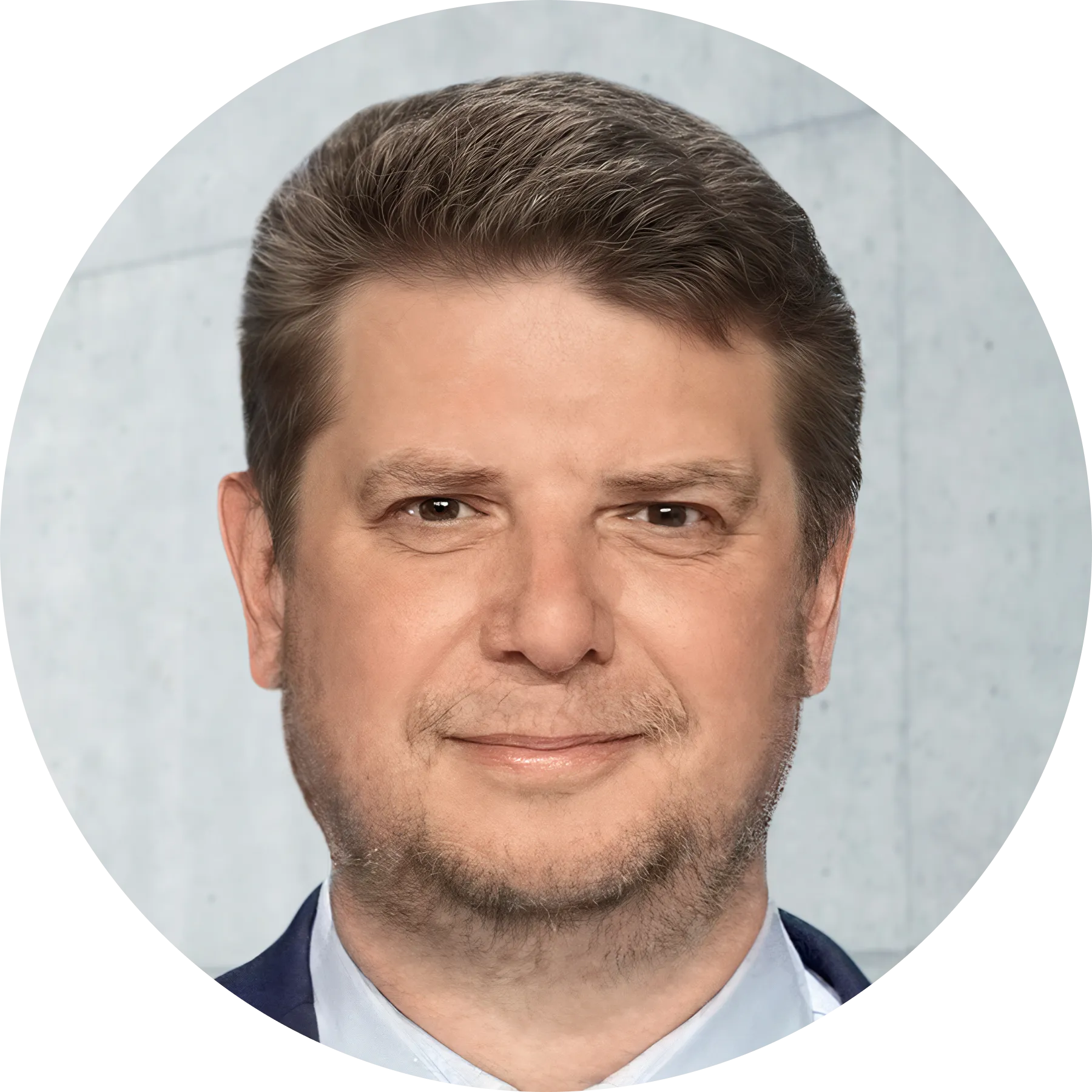



Eugene Steinberg: CTO, builder by disposition, oversees the technical Architecture behind Grid Dynamics’ AI Engineering practice, including the systems that produced Rosetta. He’s the kind of CTO who can tell you not just what went wrong, but exactly which assumption caused it.
Nikita Ivanov: VP of Technology/AI, With over 25 years of leading engineering and digital transformation across global organizations, Nikita has guided AI adoption at the scale where “move fast” means something different. He addresses the organizational questions that determine whether AI coding agents actually take root.
Igor Solomatov: Principal Solutions Architect. Igor specializes in Microsoft Azure and enterprise .NET architecture — which means he thinks about AI agents in terms of what they actually have to integrate with in the real world. His perspective is where theory meets production constraint, and he’ll walk through how Rosetta was built for both.
Special Guest → stay tuned for a surprise appearance from another voice in the AI world.
Agenda
Arrivals, coffee, and a warm welcome
Opening words & a quick intro
Keynote talk: "Rosetta: How we taught every AI coding agent to think before they code"
Quick Q&A: first reactions, fresh thoughts
Panel chat: different voices, shared ideas
Open floor: a lively, moderated Q&A
Wrap-up: a few takeaways & smiles
Happy networking time 🙂
Who attends
Dynamic Talks is a monthly gathering in San Ramon for engineers, architects, students, and technology leaders who care about how systems are designed, built, and scaled.
Past attendees have also included senior engineers, VPs, CTOs, and solutions architects from companies operating at enterprise scale across the Bay Area.
The format
Each Dynamic Talks session begins with a concise technical talk that frames the topic and shares practical insights from real-world implementation.
From there, the conversation opens up – Q&A, panel reflections, and moderated discussion.
The goal is not a one-way presentation, but shared exploration of ideas, trade-offs, and challenges.
Participants are encouraged to ask questions, challenge assumptions, and contribute their own experiences.
The atmosphere
Hosted at our San Ramon headquarters, Dynamic Talks is designed to feel welcoming and conversational.
The setting supports focused discussion, informal networking, and continued dialogue after the session concludes.