





About the session
AI can generate code in seconds, but most organizations still struggle to answer a fundamental question: is it helping the team deliver more value? Lines of code, completed tasks, and isolated benchmarks reveal activity, not the impact across the complete SDLC.
This session introduces a pragmatic building-block approach to planning, estimation, and productivity measurement. It is straightforward to introduce, works with familiar delivery practices, and produces increasingly dependable forecasts using the team’s own evidence. Team velocity then becomes a meaningful indicator of whether AI-first delivery is improving real outcomes.
You will also see why estimation is only the beginning. The same building blocks can help AI produce stronger draft specifications, implementation starting points, and other delivery assets, creating a repeatable path from better planning to faster delivery.



Keynote:
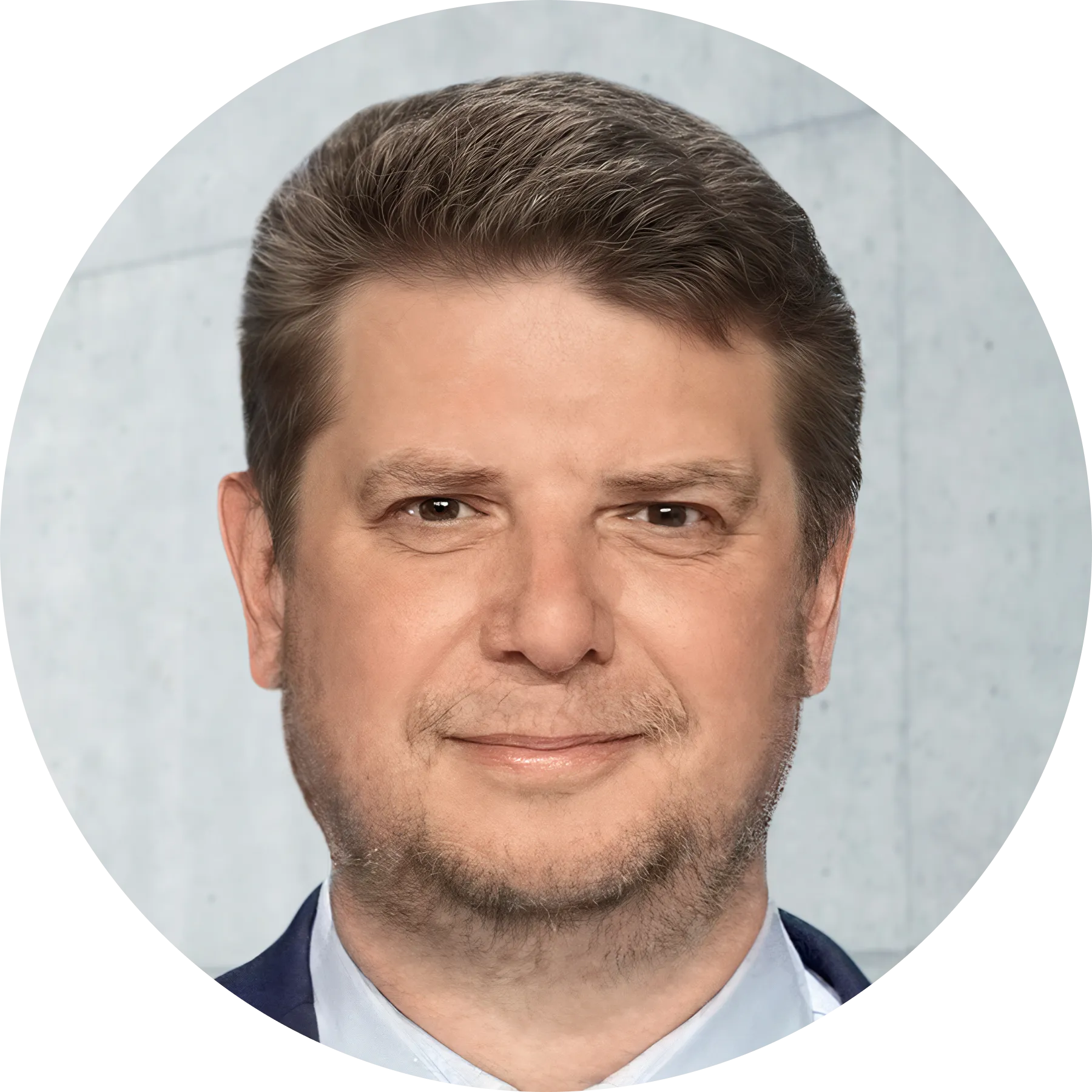
Andrey Batyuk, Senior Director of Engineering Management, Grid Dynamics.
Andrey has spent 25+ years building platforms from the ground up, including leading Grid Dynamics’ move from on-prem to cloud. When something breaks, he’s usually the fastest person in the room to find out why.
Panel:
Eugene Steinberg, CTO, Grid Dynamics.
Eugene oversees the technical architecture behind Grid Dynamics’ AI Engineering practice. He’s the kind of CTO who can tell you not just what went wrong, but exactly which assumption caused it.
Nikita Ivanov, VP of Technology/AI, Grid Dynamics.
With 25+ years leading engineering and digital transformation across global organizations, Nikita has guided AI adoption at the scale where “move fast” means something different. He tackles the organizational questions that determine whether an estimate actually holds.
Agenda
Arrivals, coffee, and a warm welcome
Opening words & a quick intro
Keynote: "Make your AI-first SDLC measurable"
Quick Q&A: first reactions, fresh thoughts
Open floor discussion
Wrap-up: a few takeaways & laughs
Networking reception
Who’s in the room
Dynamic Talks brings together engineers, architects, and technology leaders across the Bay Area who care about how systems are designed, built, and scaled, alongside AI community members who keep the questions sharp.
Past sessions have drawn senior engineers, VPs, CTOs, and solutions architects from companies operating at enterprise scale across retail, manufacturing, finance, and technology.
Grid Dynamics CTOs stay for the entire discussion, and everyone is encouraged to ask questions, challenge assumptions, and bring their own stories.
The format
Each session starts with a concise technical talk grounded in real-world implementation. Then the room opens up: Q&A, panel reflections, and moderated discussion. The goal is a shared exploration of ideas, trade-offs, and challenges with people working on the same problems.